Tigem research reveals the lysosome as a metabolic hub via TFEB and mTOR, enabling new treatments for lysosomal diseases, neurodegeneration and cancer.
In May, TIGEM will host an international Summer School focused on the mTOR pathway, bringing together researchers from Europe and the United States. At its core lies a line of research that has transformed our understanding of cell biology, one that originated within TIGEM’s own laboratories.
For nearly half a century, the lysosome was seen as little more than a waste disposal unit. Christian de Duve, who discovered it in the 1950s and was awarded the Nobel Prize, famously described it as a “suicide bag”. That view went largely unchallenged for decades.
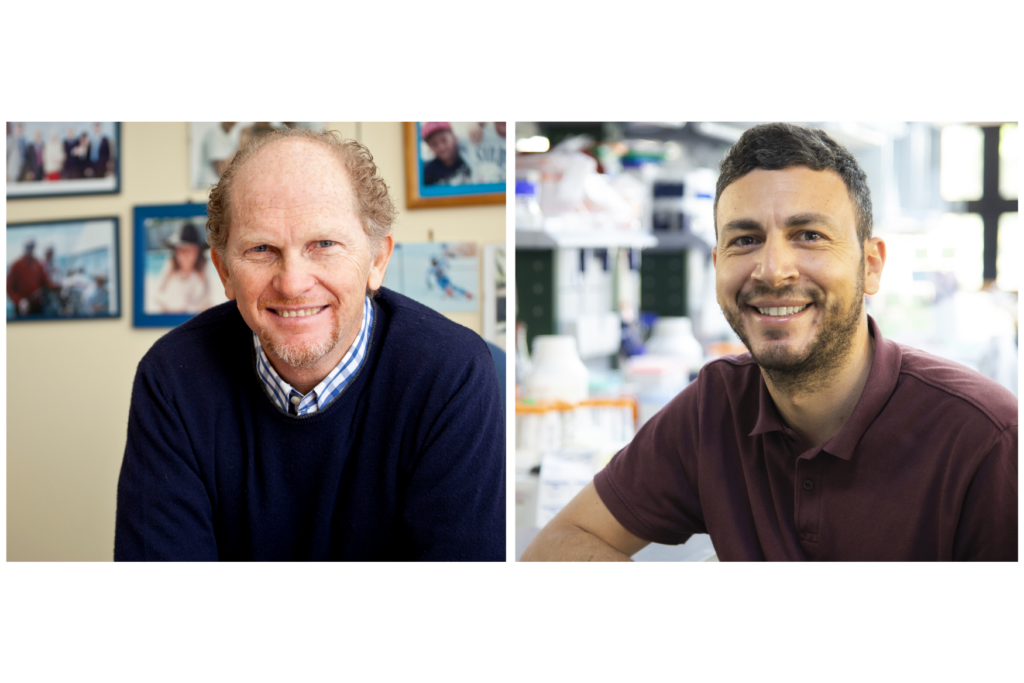
Then, in 2009, the research group led by Andrea Ballabio — one of the world’s leading experts in lysosomal biology and a pioneer of this research at TIGEM — demonstrated that the lysosome is not merely a degradation system. Instead, it acts as a central hub for metabolic regulation, orchestrated by a master gene, TFEB, which globally controls cellular degradation and recycling processes.
This discovery opened up an entire field that now involves hundreds of laboratories worldwide. “For us, this line of research has been a goldmine. Our work on TFEB has been cited thousands of times. We receive requests for reagents from all over the world. New connections are being uncovered every day” Ballabio explains.
Crucially, the finding also revealed significant therapeutic potential. Enhancing TFEB activity could promote the clearance of toxic substrates that accumulate in conditions such as Alzheimer’s disease, Parkinson’s disease and lysosomal storage disorders. However, the same discovery exposed an unexpected downside: when TFEB is permanently activated, it drives cell proliferation and tumour development. Conversely, inhibiting TFEB may help suppress tumour growth.
Two opposing therapeutic strategies therefore emerge from the same target: activating or inhibiting TFEB. In both cases, the key challenge is precise modulation.
A revolution in molecular biology: from “suicide bag” to metabolic hub
For decades, the lysosome was regarded as the final step of cellular catabolism, positioned at the end of virtually all intracellular processes. As Andrea Ballabio explains, “the lysosome was thought to operate at a constant rate, with the same intensity, and all the genes encoding the hundreds of proteins responsible for lysosomal function were believed to be regulated in a fixed manner”. This view left no room for active regulation.
Around twenty years ago, this assumption began to shift, driven by a simple but powerful idea: within the cell, everything is regulated. Ballabio’s team hypothesised that the cell must be able to adjust lysosomal activity dynamically, depending on environmental conditions. The lysosome, they proposed, is activated when increased degradation is required and slows down when conditions favour biosynthesis and anabolism.
“Regulating an entire organelle implies the coordinated control of hundreds of proteins. We hypothesised the existence of a network of lysosomal genes, whose expression would be orchestrated by a master regulator” Ballabio explains.
This hypothesis was confirmed through bioinformatic analysis of publicly available datasets. The resulting study, published in 2009 in Science, introduced the CLEAR network and identified its key regulator: TFEB (Transcription Factor EB). Experimental validation supported the model: activating TFEB enhances lysosomal biogenesis, while its inhibition reduces it. Crucially, TFEB does not act as a simple on/off switch, but as a fine-tuned, continuous modulator of lysosomal function.
The lysosome as a decision-making platform: fine-tuned regulation by mTOR and folliculin
Identifying TFEB was only the first step towards understanding the upstream regulatory cascade. This is where mTOR comes into play — a protein capable of sensing nutrient availability and various forms of cellular stress. When nutrients are abundant, mTOR phosphorylates TFEB, effectively switching it off and preventing it from activating lysosomal genes and autophagy. When nutrients are scarce, mTOR becomes inactive, and TFEB is no longer inhibited.
“This is a crucial metabolic switch: the cell transitions from anabolism to catabolism through the interplay between TFEB and its regulator mTOR” explains Gennaro Napolitano, a former postdoctoral researcher in Ballabio’s lab and, since 2021, head of an independent research group at TIGEM focused on the molecular mechanisms underlying cellular metabolism.
This regulatory process takes place on the lysosomal membrane, where mTOR is recruited. As a result, the lysosome emerges not only as a degradation system but also as a central platform for metabolic decision-making.
The next step was to understand how to target TFEB selectively. “When I was in the United States, the discoveries made here at TIGEM by Andrea Ballabio were already highly influential. I joined the group to identify the right pharmacological targets to develop therapeutic strategies capable of activating TFEB without interfering with other cellular processes” Napolitano explains.
In collaboration with a research group at the University of California, Berkeley, scientists were able to determine the atomic structure of the complex regulating TFEB — a system composed of 36 proteins, including TFEB itself. This technically remarkable achievement made it possible to pinpoint where to intervene for a precise and selective modulation of TFEB, without disrupting other pathways.
This is where another key player enters the picture: folliculin. Under physiological conditions, folliculin enables mTOR-mediated inhibition of TFEB. When folliculin is impaired or inhibited by cellular metabolic processes, TFEB becomes active. Importantly, folliculin acts as a selective regulator of TFEB, without affecting other pathways, making it a highly promising pharmacological target for achieving specific and potentially transient modulation of TFEB activity.
“We are currently exploring new strategies to regulate TFEB by acting on folliculin, enhancing or inhibiting its activity depending on the pathological context” Napolitano adds.
From mechanism to therapy: activating TFEB for lysosomal diseases, inhibiting it for cancer
At TIGEM, research follows a dual objective: understanding disease mechanisms and identifying ways to correct them. Disorders linked to dysfunction of the autophagy–lysosome system represent a major focus. When lysosomes or autophagosomes fail to function properly, undegraded substrates accumulate, leading to cytotoxic effects. Among all cell types, neurons are particularly vulnerable to this dysfunction.
Two broad classes of neurodegenerative conditions can be distinguished. Lysosomal storage disorders are associated with early-onset neurodegeneration, often in the first years of life. “Children are born neurologically normal, but - depending on disease severity - they begin to regress progressively. In some cases, these conditions are fatal at a very early age—seven, eight, ten years. In others, they may last much longer, but always with progressive deterioration” explains Andrea Ballabio.
The second class includes more common conditions characterised by late-onset neurodegeneration, such as Parkinson’s disease, Alzheimer’s disease, and Huntington’s disease. “There is now a strong interest in the lysosome, because it has been clearly shown that these diseases are associated with defects in the degradation of specific substrates, which differ from one disease to another” Ballabio adds.
The discovery of TFEB immediately suggested a therapeutic strategy. By overexpressing TFEB through gene therapy, researchers were able to enhance the clearance of accumulated materials, leading to the disappearance of neurodegeneration in experimental models. However, this approach revealed a critical limitation. “There is a problem. Permanent activation of this TFEB-driven mechanism - which should normally adapt to nutrient conditions - has an undesirable side effect: cancer” Ballabio explains.
This insight pointed to the need for an alternative to gene therapy—one capable of inducing a transient and controllable effect. “We are working on pharmacological approaches,” Ballabio notes, “where a drug can be administered and withdrawn to switch lysosomal activity on and off”.
The observation of tumour-promoting effects following TFEB overexpression led to further discoveries. Investigating folliculin, the TIGEM group found that mutations in the corresponding gene underlie Birt–Hogg–Dubé (BHD) syndrome, a rare inherited disorder associated with tumour development. “This condition is linked to skin tumours, lung cysts and, most notably, kidney cancers. It is caused by mutations in the gene encoding folliculin. When folliculin is inactive or inhibited, TFEB becomes activated. And, as we have seen, permanent activation of TFEB drives tumorigenesis. If TFEB is genetically removed in those models, tumour development is completely suppressed” Ballabio explains.
This discovery, published in Nature, demonstrated that TFEB is not only a therapeutic tool for lysosomal diseases, but also a direct driver of tumorigenesis when constitutively active. Supporting evidence has since emerged from studies on tuberous sclerosis, another inherited condition associated with renal tumours, as well as from research on pancreatic cancer. The same molecular target must therefore be activated in lysosomal diseases and inhibited in cancer.
Achieving this requires a highly specific target capable of modulating TFEB without interfering with other mTOR-dependent pathways. Folliculin stands out as the most promising candidate: it enables selective and, crucially, transient intervention on TFEB activity.
The challenge now is to translate these findings into safe and effective therapies. In neurodegenerative and lysosomal diseases, this means developing pharmacological strategies that activate TFEB in a controlled manner; in cancer, it requires inhibiting TFEB without impairing essential cellular degradation processes. In both cases, the key concept is transience.
“The more fundamental a mechanism is, the more carefully it must be modulated. We—and many other laboratories and companies—are confident that a safe and effective way to control it will eventually be found” Ballabio concludes.
In less than two decades, the lysosome has moved from a neglected organelle to a central hub of cell biology. Discoveries made at TIGEM—from the CLEAR network to folliculin—have reshaped our understanding of cellular degradation and recycling. With two distinct therapeutic strategies now emerging and a viable pharmacological target identified, the next step is clear: translating these mechanisms into clinical interventions that are both precise and safe.
